
Huawei Pura 70 Ultra vs Xiaomi 17 Max: Which is Better?
Compare specifications, features, prices, and find out which device is the right choice for you.
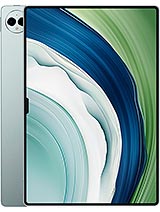 Huawei
Huawei Pura 70 Ultra
89999
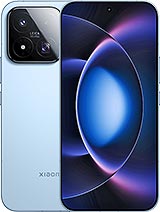 Xiaomi
Xiaomi 17 Max
79990
Overall WinnerSpecification Comparison
| Feature | Huawei Pura 70 Ultra | Xiaomi 17 Max |
|---|---|---|
| Display | 6.8 inches, Color OLED Screen (1B Colors) | 6.9 inches, Color LTPO AMOLED Screen |
| Processor | Kirin 9010 | Qualcomm Snapdragon 8 Elite Gen 5 |
| RAM | 16 GB | 12 GB |
| Storage | 512 GB | 256 GB |
| Main Camera | 50 MP ƒ/1.6-4 (Wide Angle)50 MP ƒ/2.1 (Telephoto)40 MP ƒ/2.2 (Ultra Wide) | 200 MP ƒ/1.7 (Wide Angle)23mm (wide), 1/1.4", 1.12µm, dual pixel PDAF, OIS50 MP ƒ/2.4 (Telephoto)70mm (periscope telephoto), 1/2.0", PDAF (15cm - ∞), OIS, 3x optical zoom50 MP ƒ/2.4 (Ultra Wide)17mm, 102˚ (ultrawide), 1/2.76", 0.64µm |
| Front Camera | 13 MP ƒ/2.4 (Ultra Wide)Punch Hole, Screen Flash | 32 MP ƒ/2.2 (Wide Angle)Punch Hole |
| Battery | 5200 mAh | 8000 mAh |
| Operating System | HarmonyOS v4.2 | Android v16 |
| Price | 89999 | 79990 |
Pros of Huawei Pura 70 Ultra
- Capable 50 MP ƒ/1.6-4 (Wide Angle)50 MP ƒ/2.1 (Telephoto)40 MP ƒ/2.2 (Ultra Wide) main camera for quality shots
- Vibrant Color OLED Screen (1B Colors) display with deep blacks and rich colors
- Capable Kirin 9010 processor for daily use
- Generous 512 GB storage for apps, media and files
- Dust and water resistant for durability
Pros of Xiaomi 17 Max
- High-resolution 200 MP ƒ/1.7 (Wide Angle)23mm (wide), 1/1.4", 1.12µm, dual pixel PDAF, OIS50 MP ƒ/2.4 (Telephoto)70mm (periscope telephoto), 1/2.0", PDAF (15cm - ∞), OIS, 3x optical zoom50 MP ƒ/2.4 (Ultra Wide)17mm, 102˚ (ultrawide), 1/2.76", 0.64µm main camera for detailed photos
- High-quality 32 MP ƒ/2.2 (Wide Angle)Punch Hole selfie camera
- Vibrant Color LTPO AMOLED Screen display with deep blacks and rich colors
- Flagship-tier Qualcomm Snapdragon 8 Elite Gen 5 for top performance
- Dust and water resistant for durability
- Quality audio with Yes, HDR10+, Dolby Vision
Cons of Huawei Pura 70 Ultra
- No significant drawbacks for most users
Cons of Xiaomi 17 Max
- No significant drawbacks for most users
Verdict: Which Should You Buy?
The Xiaomi 17 Max edges out as the better overall choice. The Huawei Pura 70 Ultra features the Kirin 9010 while the Xiaomi 17 Max comes with the Qualcomm Snapdragon 8 Elite Gen 5. In terms of pricing, the Huawei Pura 70 Ultra is at 89999 and the Xiaomi 17 Max is at 79990. Your choice depends on your priorities - consider the pros and cons above to make the right decision.
Frequently Asked Questions
What are the main differences between Huawei Pura 70 Ultra and Xiaomi 17 Max?
Huawei Pura 70 Ultra features the Kirin 9010 with 16 GB RAM, while Xiaomi 17 Max comes with the Qualcomm Snapdragon 8 Elite Gen 5 with 12 GB RAM. Huawei Pura 70 Ultra has a 6.8 inches display, while Xiaomi 17 Max has a 6.9 inches display.
Which has a better camera?
Both phones have capable cameras. The Huawei Pura 70 Ultra has a 50 MP ƒ/1.6-4 (Wide Angle)50 MP ƒ/2.1 (Telephoto)40 MP ƒ/2.2 (Ultra Wide) main camera, while the Xiaomi 17 Max has a 200 MP ƒ/1.7 (Wide Angle)23mm (wide), 1/1.4", 1.12µm, dual pixel PDAF, OIS50 MP ƒ/2.4 (Telephoto)70mm (periscope telephoto), 1/2.0", PDAF (15cm - ∞), OIS, 3x optical zoom50 MP ƒ/2.4 (Ultra Wide)17mm, 102˚ (ultrawide), 1/2.76", 0.64µm main camera.
Which has better battery life?
The Huawei Pura 70 Ultra has a 5200 mAh battery, while the Xiaomi 17 Max has a 8000 mAh battery.
Which is more affordable?
The Huawei Pura 70 Ultra is priced at 89999, while the Xiaomi 17 Max costs 79990.
Which should I buy?
The Xiaomi 17 Max edges out as the better overall choice. The Huawei Pura 70 Ultra features the Kirin 9010 while the Xiaomi 17 Max comes with the Qualcomm Snapdragon 8 Elite Gen 5. In terms of pricing, the Huawei Pura 70 Ultra is at 89999 and the Xiaomi 17 Max is at 79990. Your choice depends on your priorities - consider the pros and cons above to make the right decision.
Want to Compare More Devices?
Use our comparison tool to compare up to 4 devices side by side.
Start Comparing