
Xiaomi Redmi Book Pro 16 2024 Laptop (Intel Core Ultra 5/ 32GB/ 1TB SSD/ Win 11) vs MacBook Air M5 15-inch: Which is Better?
Compare specifications, features, prices, and find out which device is the right choice for you.
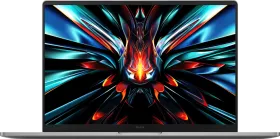 Xiaomi
Xiaomi Redmi Book Pro 16 2024 Laptop (Intel Core Ultra 5/ 32GB/ 1TB SSD/ Win 11)
INR 69,990
Overall Winner Apple
Apple
MacBook Air M5 15-inch
$1,299
Specification Comparison
| Feature | Xiaomi Redmi Book Pro 16 2024 Laptop (Intel Core Ultra 5/ 32GB/ 1TB SSD/ Win 11) | MacBook Air M5 15-inch |
|---|---|---|
| Display | 16 inches, IPS | 15.3 inches, Liquid Retina IPS LCD, 2880x1864, 60Hz |
| Processor | Intel Core Ultra 5 Series 1 125H | Apple M5 (10-core CPU, 10-core GPU) |
| RAM | 32 GB LPDDR5x | 16GB Unified LPDDR5X |
| Storage | 1 TB | 512GB SSD |
| Battery | 99 Wh Battery | 18 hours |
| Operating System | Windows 11 | macOS Sequoia |
| Weight | - | 1.51 kg |
| Price | INR 69,990 | $1,299 |
Pros of Xiaomi Redmi Book Pro 16 2024 Laptop (Intel Core Ultra 5/ 32GB/ 1TB SSD/ Win 11)
- IPS display with accurate color reproduction
- Flagship-tier Intel Core Ultra 5 Series 1 125H for top performance
- Generous 1 TB storage for apps, media and files
Pros of MacBook Air M5 15-inch
- Liquid Retina IPS LCD, 2880x1864, 60Hz display with accurate color reproduction
- Capable Apple M5 (10-core CPU, 10-core GPU) processor for daily use
- Generous 512GB SSD storage for apps, media and files
Cons of Xiaomi Redmi Book Pro 16 2024 Laptop (Intel Core Ultra 5/ 32GB/ 1TB SSD/ Win 11)
- No significant drawbacks for most users
Cons of MacBook Air M5 15-inch
- No significant drawbacks for most users
Verdict: Which Should You Buy?
The Xiaomi Redmi Book Pro 16 2024 Laptop (Intel Core Ultra 5/ 32GB/ 1TB SSD/ Win 11) edges out as the better overall choice. The Xiaomi Redmi Book Pro 16 2024 Laptop (Intel Core Ultra 5/ 32GB/ 1TB SSD/ Win 11) features the Intel Core Ultra 5 Series 1 125H while the MacBook Air M5 15-inch comes with the Apple M5 (10-core CPU, 10-core GPU). In terms of pricing, the Xiaomi Redmi Book Pro 16 2024 Laptop (Intel Core Ultra 5/ 32GB/ 1TB SSD/ Win 11) is at INR 69,990 and the MacBook Air M5 15-inch is at $1,299. Your choice depends on your priorities - consider the pros and cons above to make the right decision.
Frequently Asked Questions
What are the main differences between Xiaomi Redmi Book Pro 16 2024 Laptop (Intel Core Ultra 5/ 32GB/ 1TB SSD/ Win 11) and MacBook Air M5 15-inch?
Xiaomi Redmi Book Pro 16 2024 Laptop (Intel Core Ultra 5/ 32GB/ 1TB SSD/ Win 11) features the Intel Core Ultra 5 Series 1 125H with 32 GB LPDDR5x RAM, while MacBook Air M5 15-inch comes with the Apple M5 (10-core CPU, 10-core GPU) with 16GB Unified LPDDR5X RAM. Xiaomi Redmi Book Pro 16 2024 Laptop (Intel Core Ultra 5/ 32GB/ 1TB SSD/ Win 11) has a 16 inches display, while MacBook Air M5 15-inch has a 15.3 inches display.
Which has a better camera?
Camera details are not available for these devices.
Which has better battery life?
The Xiaomi Redmi Book Pro 16 2024 Laptop (Intel Core Ultra 5/ 32GB/ 1TB SSD/ Win 11) has a 99 Wh Battery battery, while the MacBook Air M5 15-inch has a 18 hours battery.
Which is more affordable?
The Xiaomi Redmi Book Pro 16 2024 Laptop (Intel Core Ultra 5/ 32GB/ 1TB SSD/ Win 11) is priced at INR 69,990, while the MacBook Air M5 15-inch costs $1,299.
Which should I buy?
The Xiaomi Redmi Book Pro 16 2024 Laptop (Intel Core Ultra 5/ 32GB/ 1TB SSD/ Win 11) edges out as the better overall choice. The Xiaomi Redmi Book Pro 16 2024 Laptop (Intel Core Ultra 5/ 32GB/ 1TB SSD/ Win 11) features the Intel Core Ultra 5 Series 1 125H while the MacBook Air M5 15-inch comes with the Apple M5 (10-core CPU, 10-core GPU). In terms of pricing, the Xiaomi Redmi Book Pro 16 2024 Laptop (Intel Core Ultra 5/ 32GB/ 1TB SSD/ Win 11) is at INR 69,990 and the MacBook Air M5 15-inch is at $1,299. Your choice depends on your priorities - consider the pros and cons above to make the right decision.
Want to Compare More Devices?
Use our comparison tool to compare up to 4 devices side by side.
Start Comparing